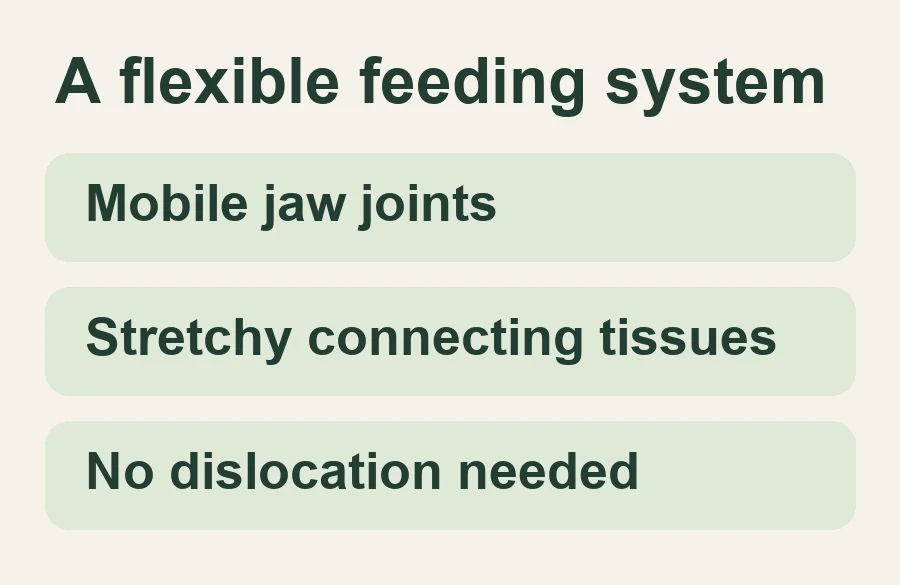
No. A snake does not need to dislocate its jaws to swallow a large meal. Its jaw joints and the tissues between the lower jaws allow movement and stretching. The wide opening is part of its normal feeding anatomy.
How can the mouth open so wide?
The Natural History Museum’s explanation describes two lower-jaw halves linked by a ligament, with mobile connections to the skull. The halves can spread apart as the mouth opens. They are not being pulled out of their joints and then put back afterwards.
Movable skull bones also help a snake work its mouth around food and draw it in. What looks like an extraordinary stretch is a coordinated feeding movement.
Can every snake swallow equally large prey?
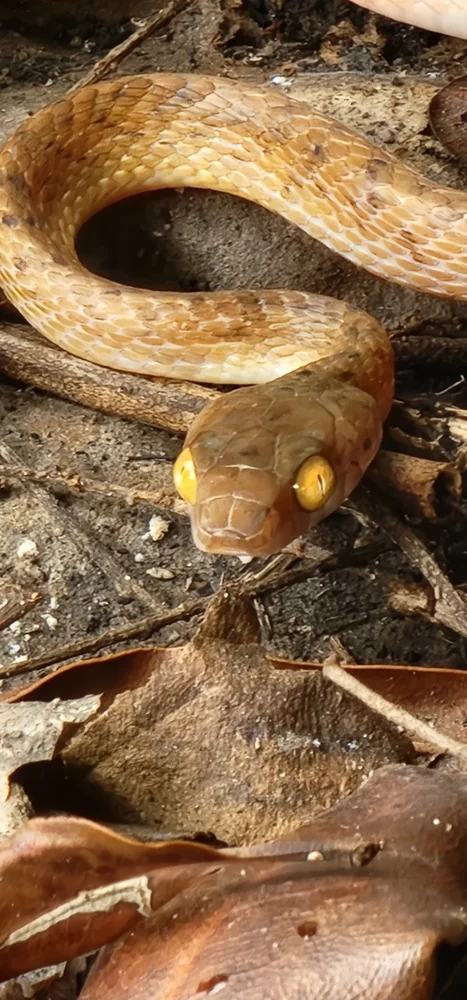
No. The size of the opening, called the gape, varies. A University of Cincinnati study compared Burmese pythons with brown tree snakes and found that stretchy tissue between the python’s lower jaws made a substantial contribution to its gape.
That comparison concerns those species. It should not be turned into a fixed rule about how many times its head size any Australian snake can swallow. Head size alone does not describe all the space available when a mouth opens.
Does the biggest possible meal describe its usual diet?
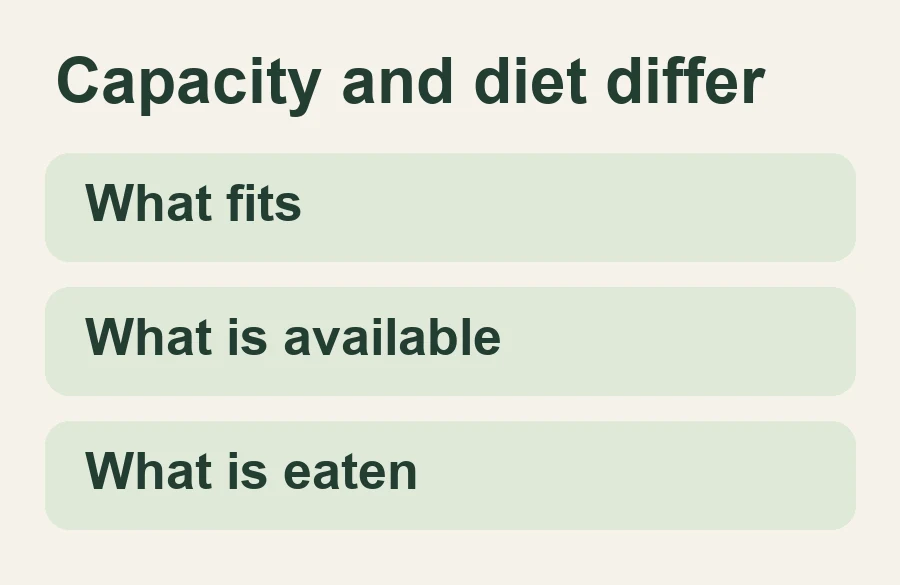
No. The researchers distinguish what a snake can fit into its mouth from what it chooses to hunt. A large possible gape does not mean every meal approaches that limit.
The Australian snake diet guide covers what different species actually eat. For example, a broad explanation of jaw flexibility tells you little about the usual diet of a particular snake in your garden.
When watching a feeding video, keep those two questions separate: how the mouth accommodates the food, and whether that meal is typical for the species. Neither requires the “unhinged jaw” explanation.