
Typhlopidae
Small-headed Blind Snake
Anilios affinis
A small blind snake recorded in Queensland and New South Wales.
Non-venomous
State guide
Use the identifier with a location clue, then compare the profiles below.
Typhlopidae
Anilios affinis
A small blind snake recorded in Queensland and New South Wales.
Non-venomous
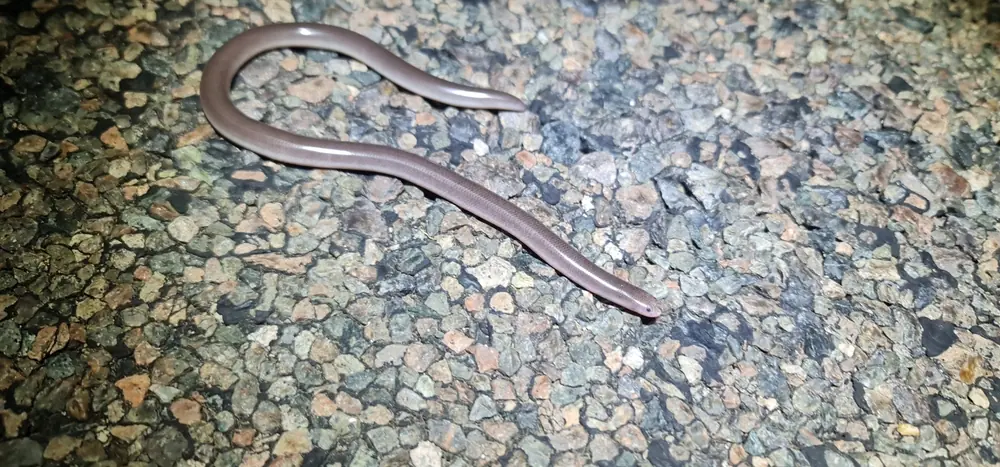
Photo: Max Tibby · CC0 1.0 (Licence)
Typhlopidae
Anilios ligatus
The Robust Blind Snake is a widespread Australian blind snake with a moderately stout body. Specialist descriptions separate it from similar forms using the rounded snout and head scales.
Non-venomous
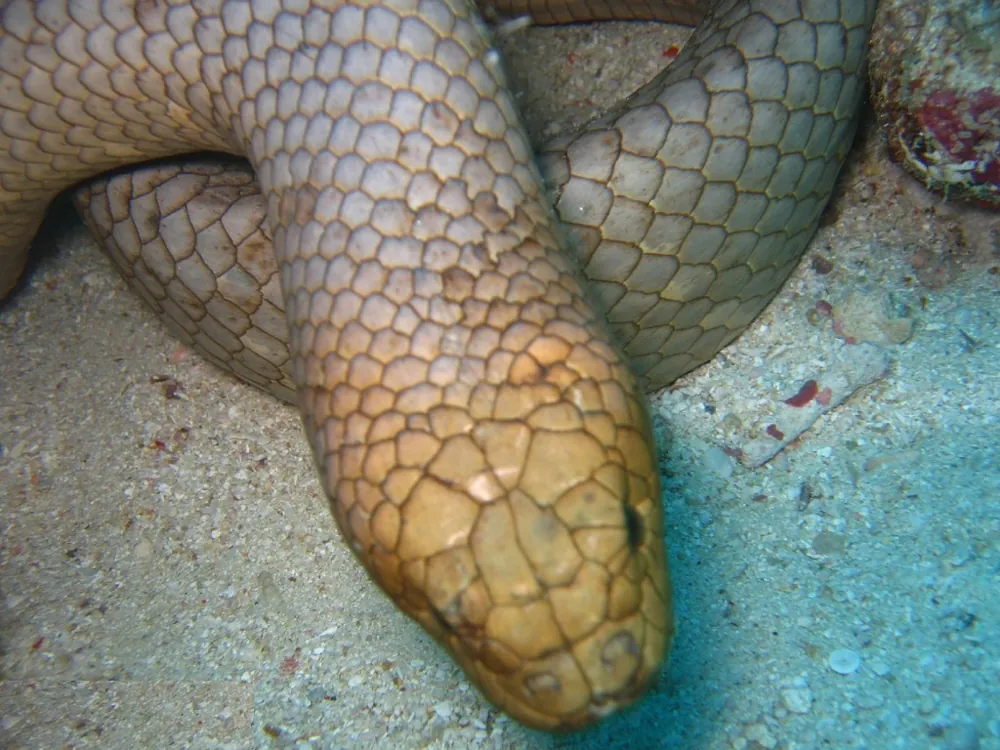
Photo: Richard Ling · CC BY-SA 2.0 (Licence)
Elapidae
Aipysurus laevis
A robust marine snake whose colour changes with age. Adults may be creamy-yellow or golden-brown; younger animals can have pale bands on a dark body.
Highly venomous
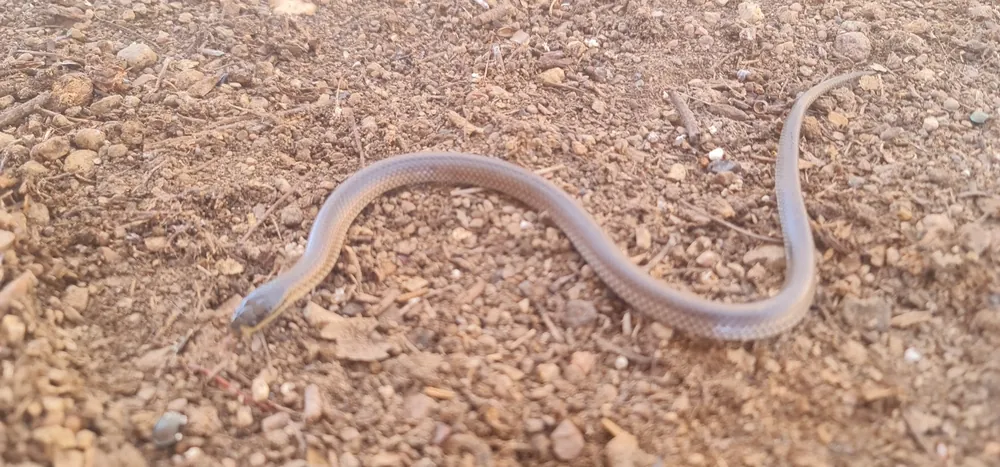
Photo: Max Tibby · CC0 1.0 (Licence)
Elapidae
Suta dwyeri
A small snake associated with rocky shelter in parts of eastern Australia.
Venomous

Photo: dhfischer · CC BY 4.0 (Licence)
Typhlopidae
Anilios endoterus
A small inland blind snake recorded across five mainland states.
Non-venomous
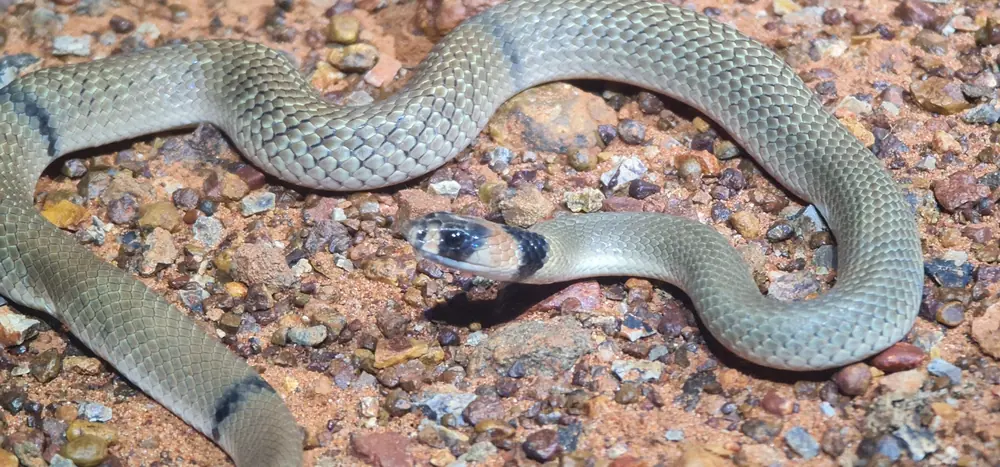
Photo: Max Tibby · CC0 1.0 (Licence)
Elapidae
Pseudonaja modesta
Ringed Brown Snake is a small inland brown snake with a black head and nape band and narrow body bands that may fade with age.
Venomous
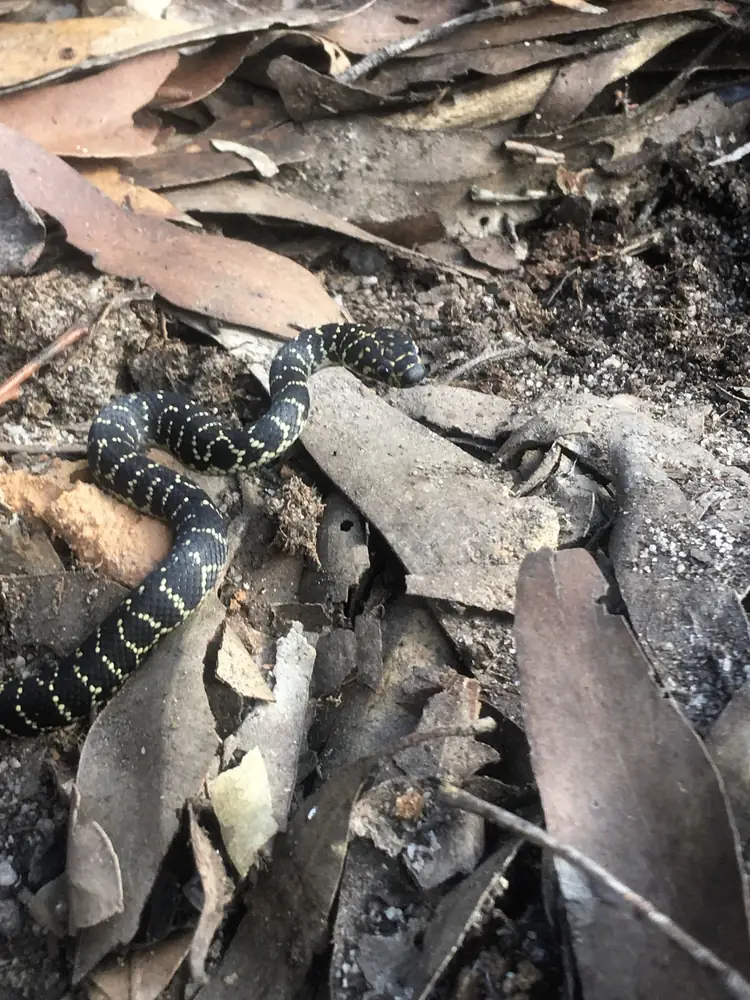
Photo: prossington · CC BY 4.0 (Licence)
Elapidae
Hoplocephalus bungaroides
A venomous, threatened sandstone snake of the Sydney Basin and surrounding New South Wales.
Venomous
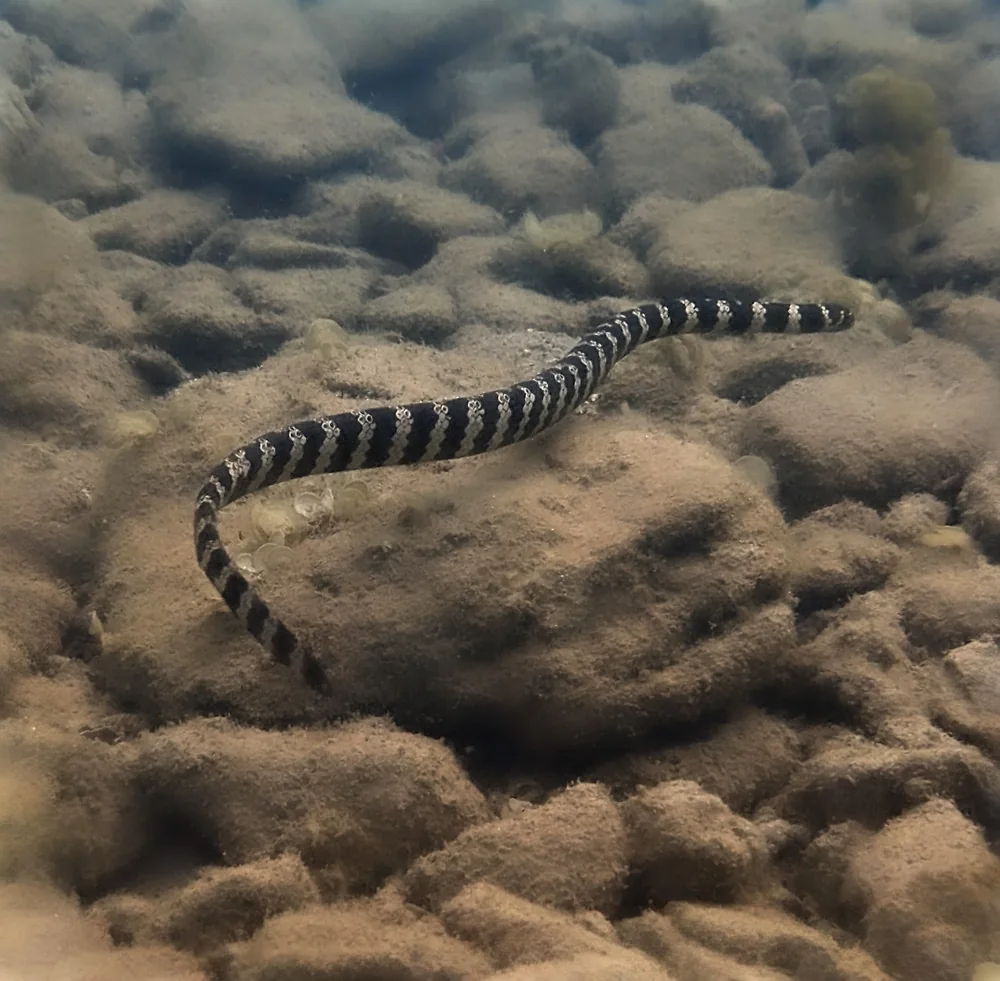
Photo: Ben Keen · CC0 1.0 (Licence)
Elapidae
Emydocephalus annulatus
An egg-eating marine snake with banded and dark colour forms.
Venom apparatus is greatly reduced; this does not mean the species is safe to handle.
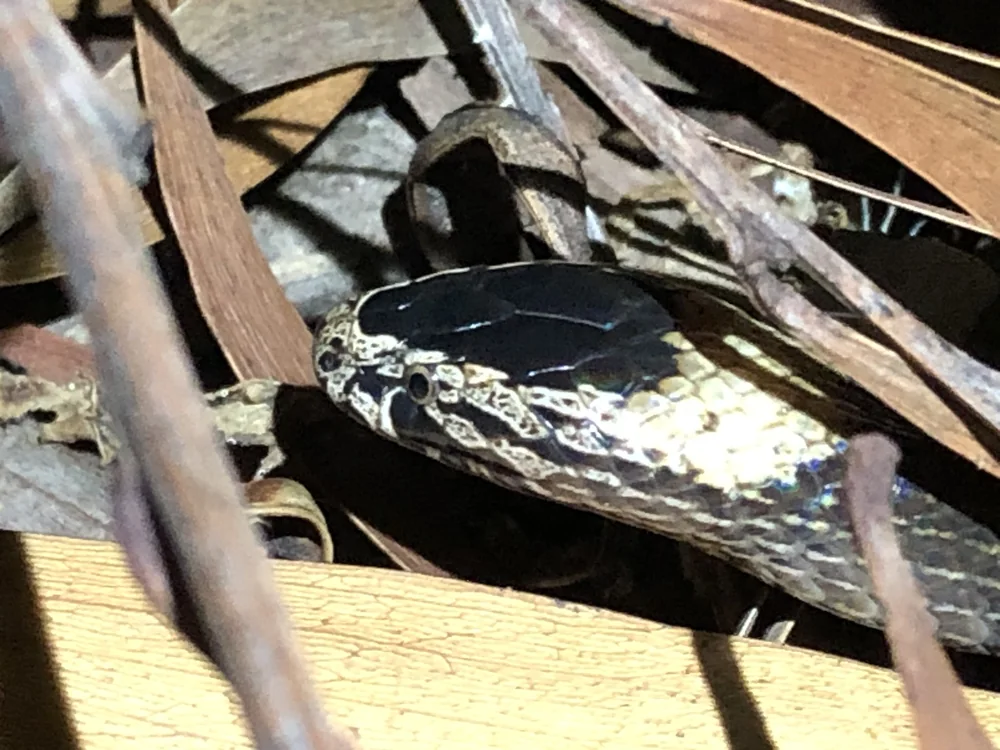
Photo: Greg Tasney · CC BY-SA 4.0 (Licence)
Elapidae
Cacophis harriettae
The White-crowned Snake is a small dark snake of moist eastern Australian habitats. It has a broad white collar across the nape and a dark head.
Venomous
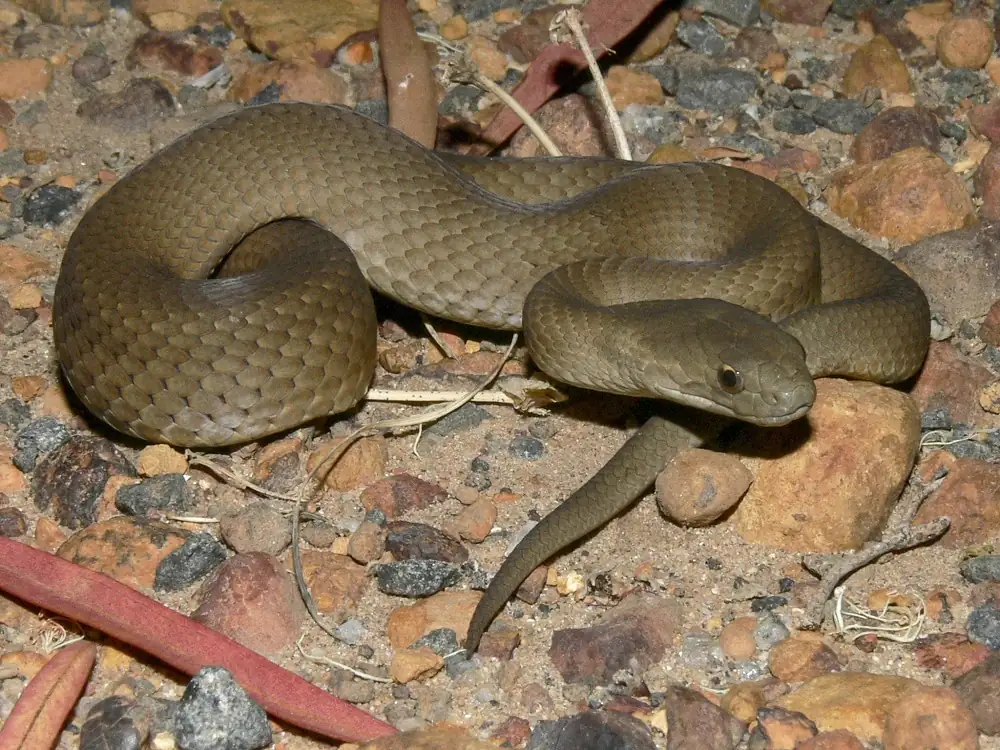
Photo: dhfischer · CC BY 4.0 (Licence)
Elapidae
Echiopsis curta
A short, stout snake with a broad head and generally plain olive-brown, brown or reddish-brown upperparts. Its separated populations include south-western NSW, Victoria, South Australia and Western Australia.
Venomous

Blackish Blind Snake (Anilios nigrescens), photographed dead on a road.
Photo: Max Tibby · CC0 (Licence)
Typhlopidae
Anilios nigrescens
A glossy, worm-like burrowing snake from eastern Australia. It has a nearly uniform body thickness, tiny eyes and a very short tail. Recognising a blind snake is usually easier than telling which blind-snake species it is.
Non-venomous
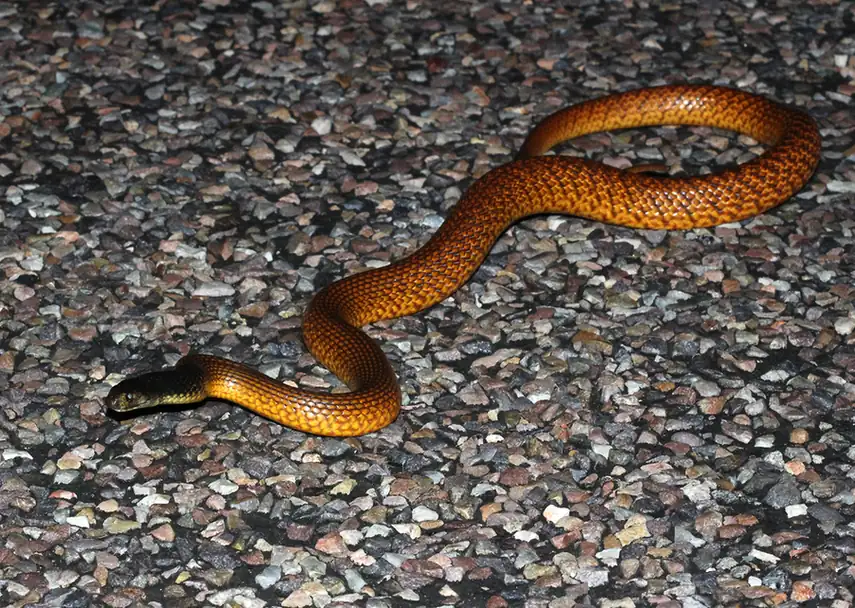
Photo: Lachlan Copeland · CC BY-SA 4.0 (Licence)
Elapidae
Pseudonaja mengdeni
A slender inland brown snake with yellow, orange or brown body forms and variable dark markings.
Venomous

Photo: Max Tibby · CC0 1.0 (Licence)
Elapidae
Pseudonaja aspidorhyncha
A slender brown snake of inland southern Australia, with variable body banding.
Venomous

Photo: dhfischer · CC BY 4.0 (Licence)
Typhlopidae
Anilios bituberculatus
A widespread Australian blind snake with a slender body and a long snout. Specialist descriptions refer to a three-lobed snout outline when viewed from above.
Non-venomous

Photo: Lachlan Copeland · CC BY-SA 4.0 (Licence)
Elapidae
Hoplocephalus stephensii
A nocturnal snake of forests and rocky country from southern Queensland to the NSW Central Coast.
Venomous
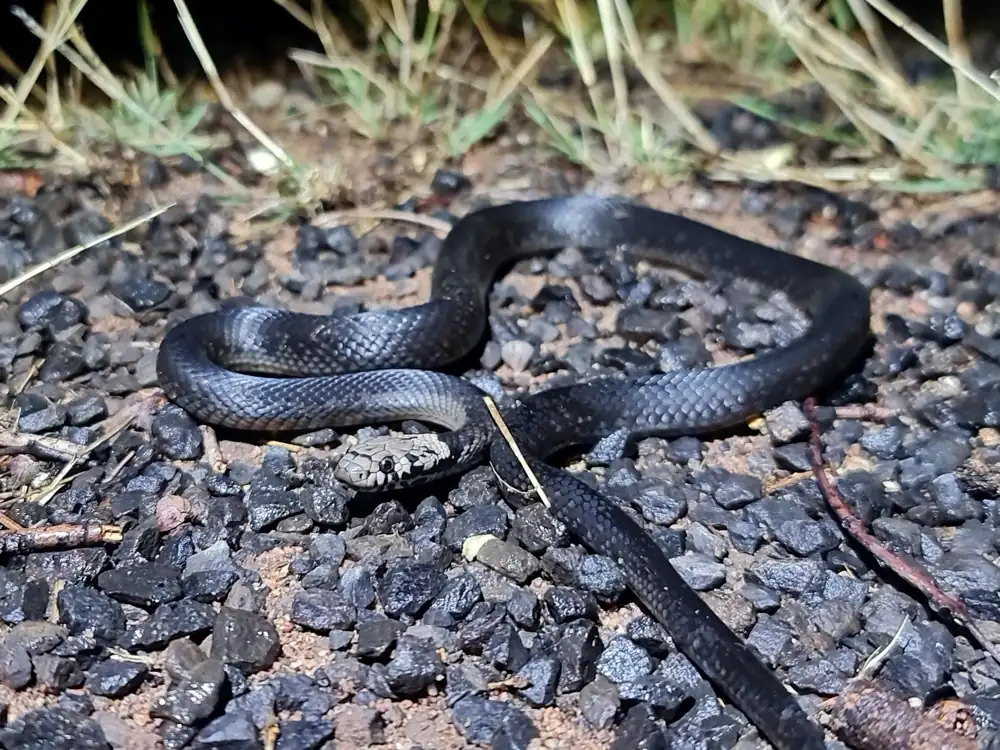
Photo: Max Tibby · CC0 1.0 (Licence)
Elapidae
Hoplocephalus bitorquatus
A slender, potentially dangerous, partly arboreal snake recorded from New South Wales and Queensland.
Venomous — potentially dangerous
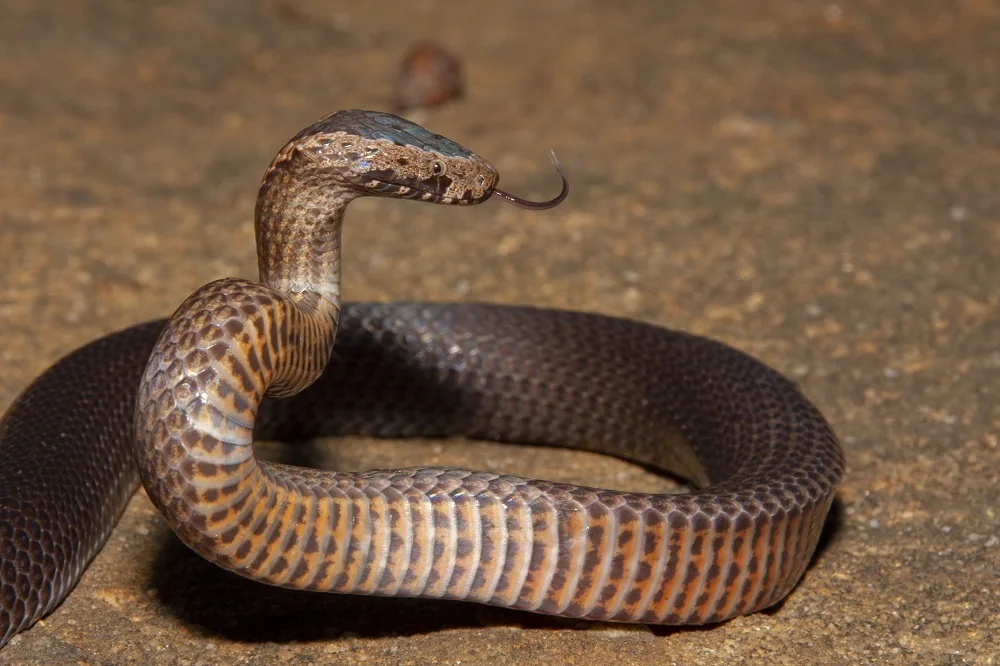
Photo: dhfischer · CC BY 4.0 (Licence)
Elapidae
Cacophis squamulosus
A dark snake with a yellowish streak along each side of the neck and onto the head. The checked range runs from the Goulburn region of New South Wales north to Proserpine in Queensland.
Weakly venomous
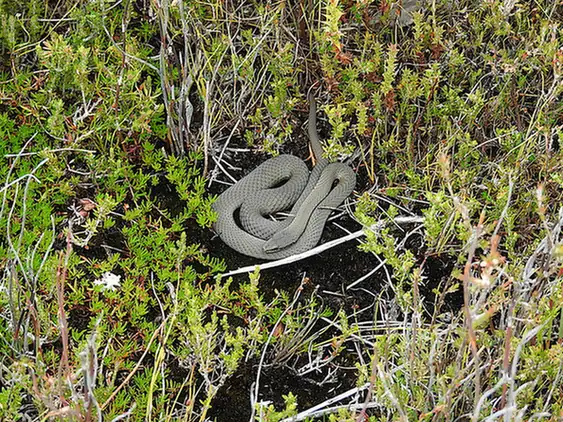
Photo: george_vaughan · CC0 1.0 (Licence)
Elapidae
Drysdalia coronoides
White-lipped Snake is recorded across south-eastern Australia, including Tasmania and New South Wales. It varies from olive-brown and grey to reddish brown or dark grey, with a white stripe on the upper lip and no pale or dark nape band.
Venomous
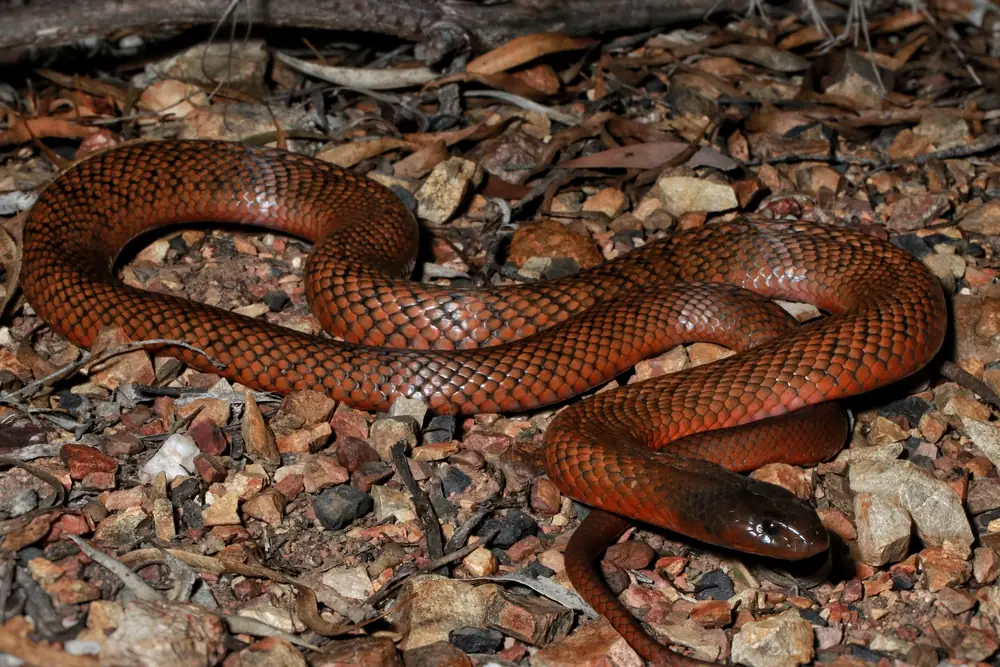
Photo: Max Tibby · CC0 1.0 (Licence)
Elapidae
Pseudechis guttatus
A large dangerous black snake with variable dark, pale and broken-crossbanded forms, recorded from New South Wales and Queensland.
Dangerous; the species is venomous
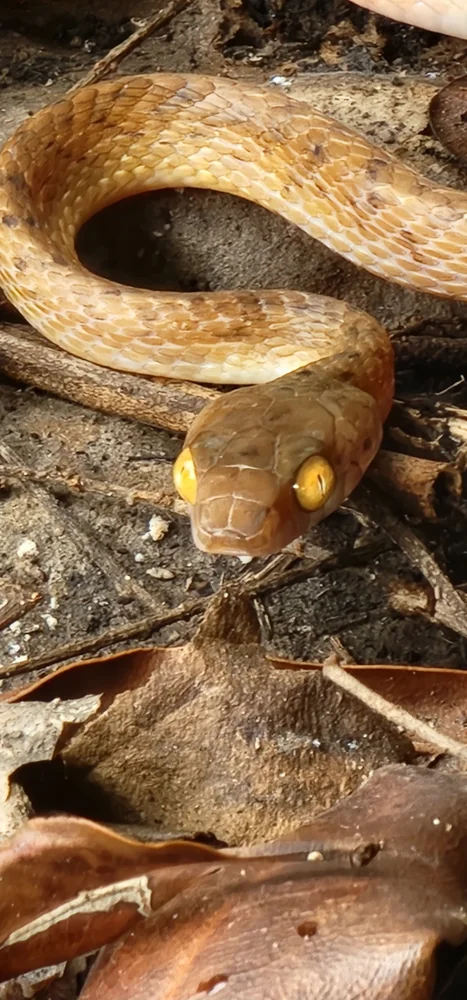
Photo: Bethlea Bell · CC0 1.0 (Licence)
Colubridae
Boiga irregularis
A slender tree snake with a large head, bulbous eyes and vertical pupils. Colour and banding vary across its northern and eastern Australian range, so appearance alone is not a safe approach cue.
Weakly venomous
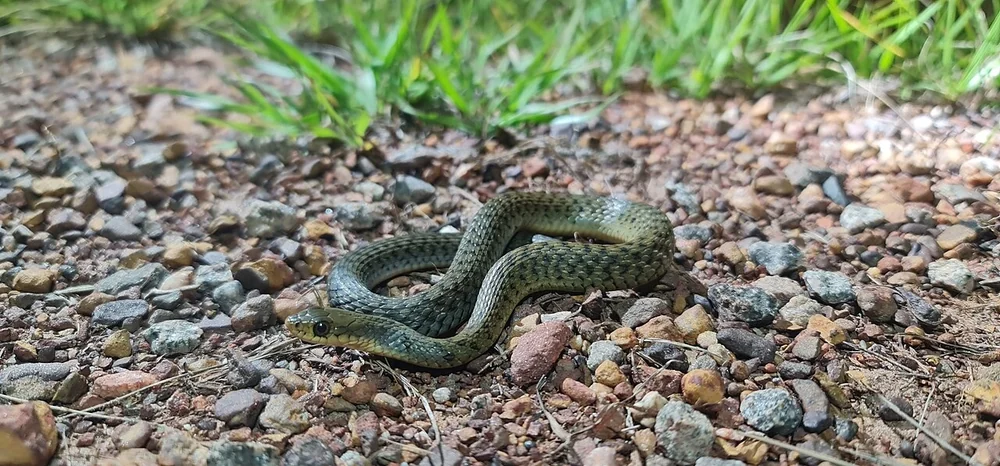
Photo: Max Tibby · CC0 (Licence)
Colubridae
Tropidonophis mairii
A small non-venomous snake often found around freshwater in northern and eastern Australia. Its grey or olive-brown body commonly carries broken dark bands. It closely resembles the venomous rough-scaled snake, so neither the waterside setting nor rough-looking scales proves an identification.
Non-venomous
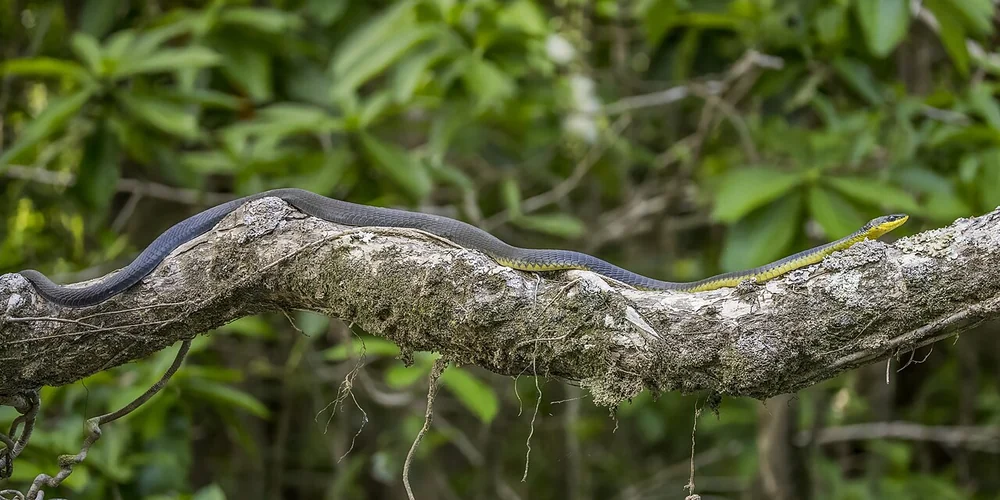
Photo: Charles J. Sharp · CC BY-SA 4.0 (Licence)
Colubridae
Dendrelaphis punctulatus
A very slender, agile snake with a long tail, often seen moving through gardens or low branches. Despite the name it may be olive, brown, black or even blue. Green colour is only one possible appearance of this non-venomous species.
Non-venomous
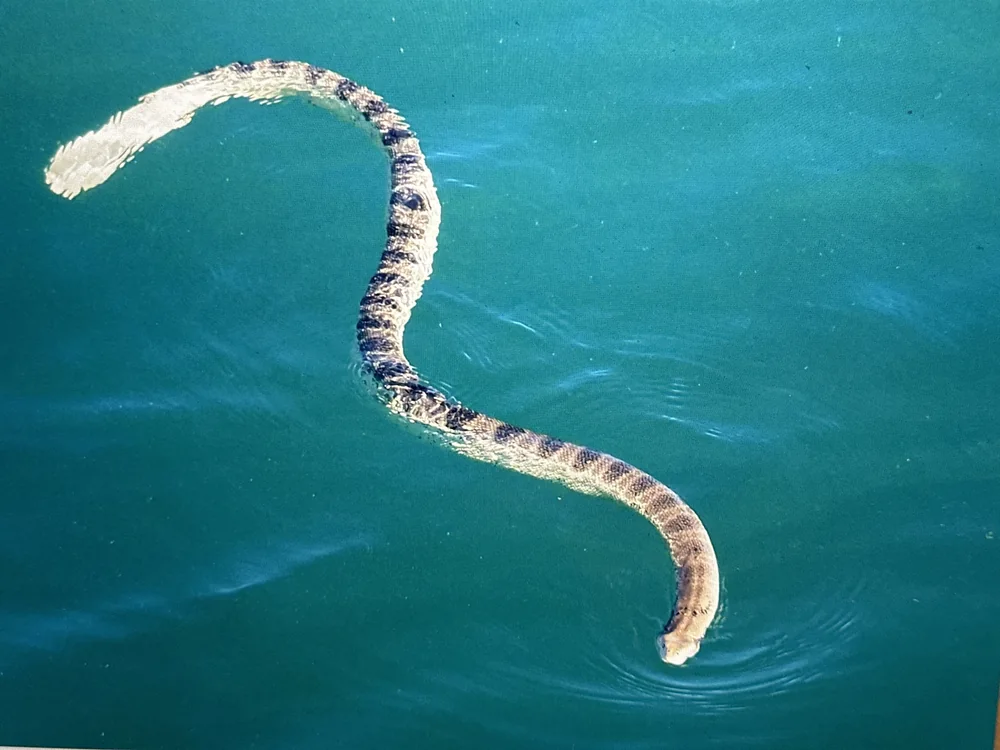
Photo: Rosario Douglas · CC BY 4.0 (Licence)
Elapidae
Hydrophis stokesii
A stout sea snake with variable brown to cream colouring; some individuals have dark bands and spots.
Venomous
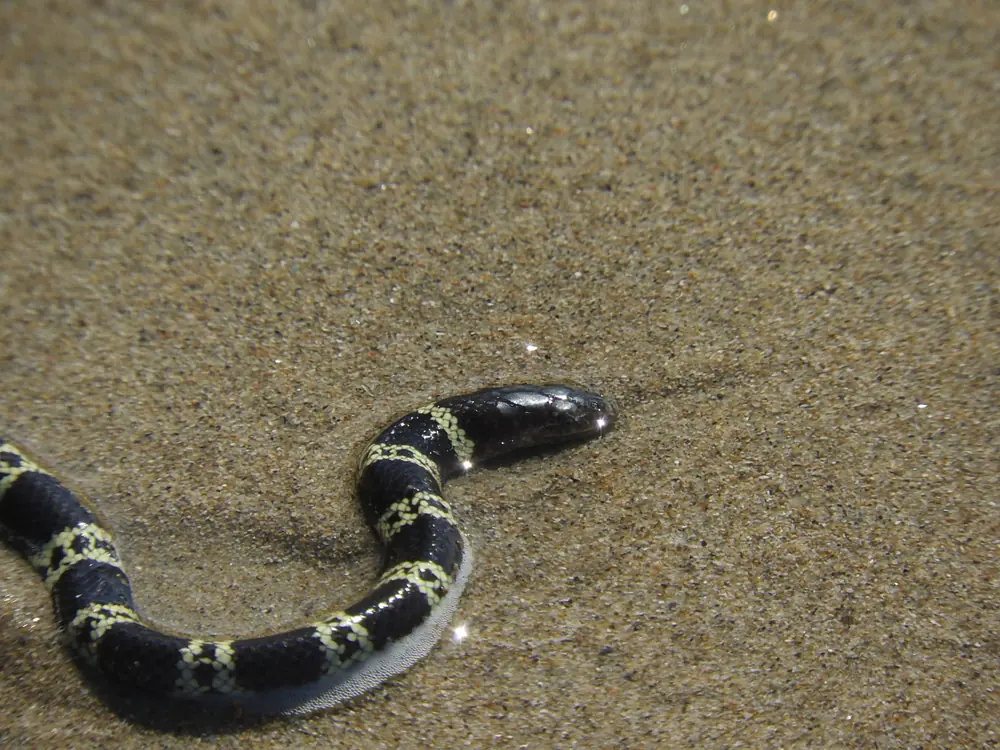
Photo: george_vaughan · CC0 1.0 (Licence)
Elapidae
Hydrophis elegans
A banded marine snake recorded around northern Australia, with qualified New South Wales records.
Dangerously venomous

Photo: Tim Robertson · CC0 1.0 (Licence)
Elapidae
Hydrophis platurus
Yellow-bellied Sea Snake is a pelagic marine snake recorded across tropical Australian waters and the wider Indian and Pacific oceans. It has a dark upper body, a yellow lower body and a patterned paddle tail.
Venomous

Photo: Andrew Mercer (www.baldwhiteguy.co.nz) · CC BY-SA 4.0 (Licence)
Pythonidae
Morelia spilota
A patterned python that can live in woodland, gardens and buildings as well as less disturbed habitats. Brown and cream blotches are common, but some forms have much darker bodies with pale spots. The diamond python is included within this variable species.
Non-venomous

Photo: Max Tibby · CC0 1.0 (Licence)
Pythonidae
Antaresia maculosa
A patterned python with ragged-edged blotches and heat pits on the lower labial scales. This species-level record covers the east-coast nominotypical form and the Cape York subspecies Antaresia maculosa peninsularis.
Non-venomous

Photo: Hugo Innes · CC BY 4.0 (Licence)
Pythonidae
Antaresia childreni
A non-venomous python whose accepted species concept includes northern and inland Australian forms.
Non-venomous
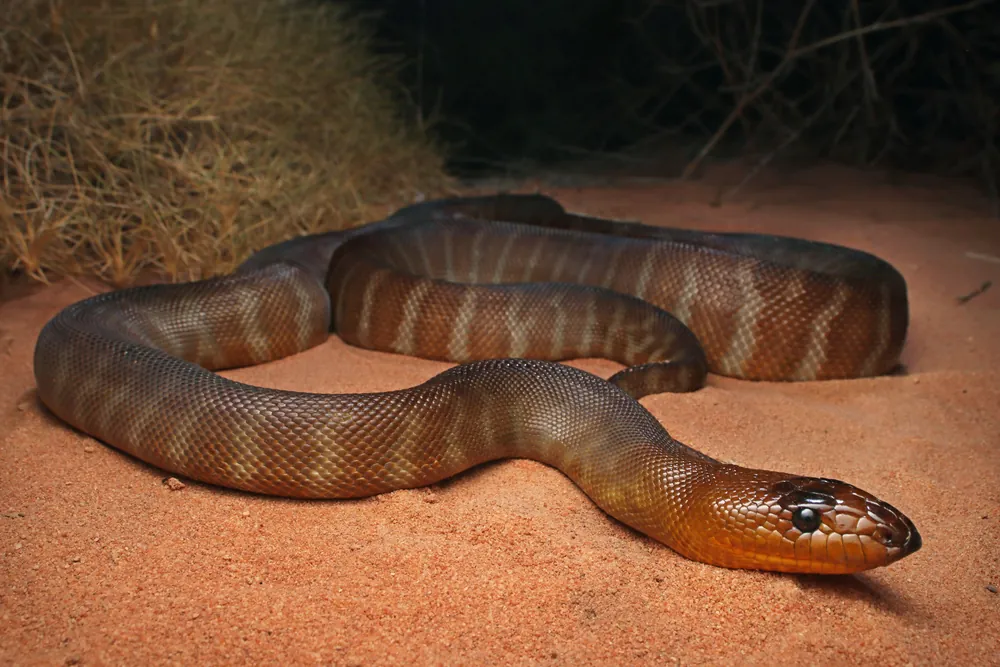
Photo: Connor Margetts · CC0 1.0 (Licence)
Pythonidae
Aspidites ramsayi
A large python with a pale yellow- to reddish-brown background and numerous dark bands. Juveniles may show a dark eye patch that often fades with age; the species occupies arid and semi-arid inland Australia.
Non-venomous

Photo: Ged Tranter · CC BY 4.0 (Licence)
Elapidae
Tropidechis carinatus
A dangerously venomous, strongly keeled snake of wetter habitats in eastern Australia.
Dangerously venomous
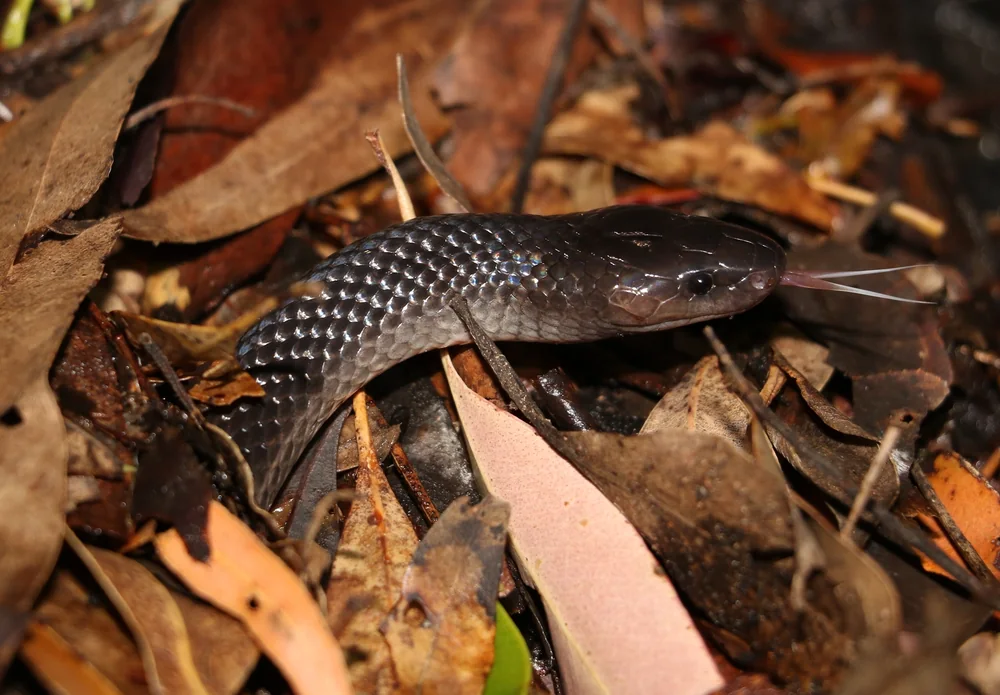
Photo: Greg Tasney · CC BY-SA 4.0 (Licence)
Elapidae
Cryptophis nigrescens
A glossy black snake of eastern Australia. Its pale to pinkish-red belly can resemble markings on other dark snakes, so colour alone is unreliable.
Highly venomous
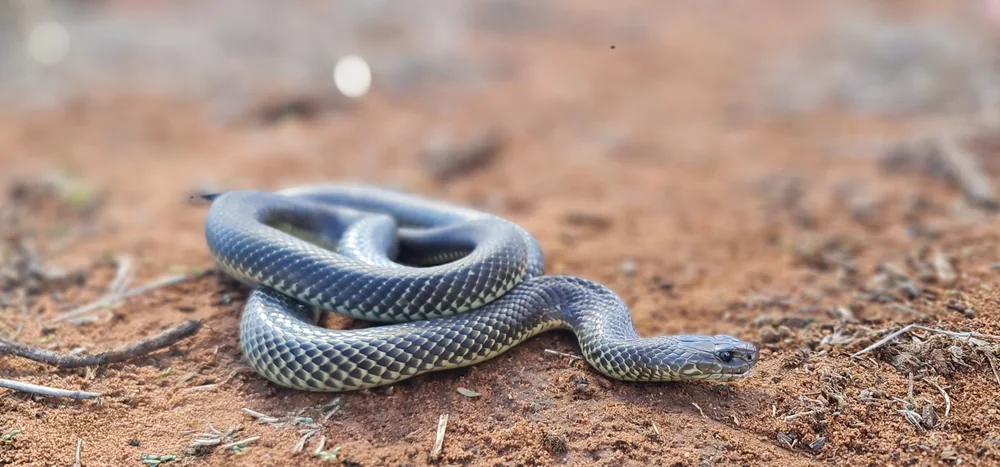
Photo: Max Tibby · CC0 1.0 (Licence)
Elapidae
Pseudechis australis
A large, variable snake widespread across most of Australia.
Dangerously venomous
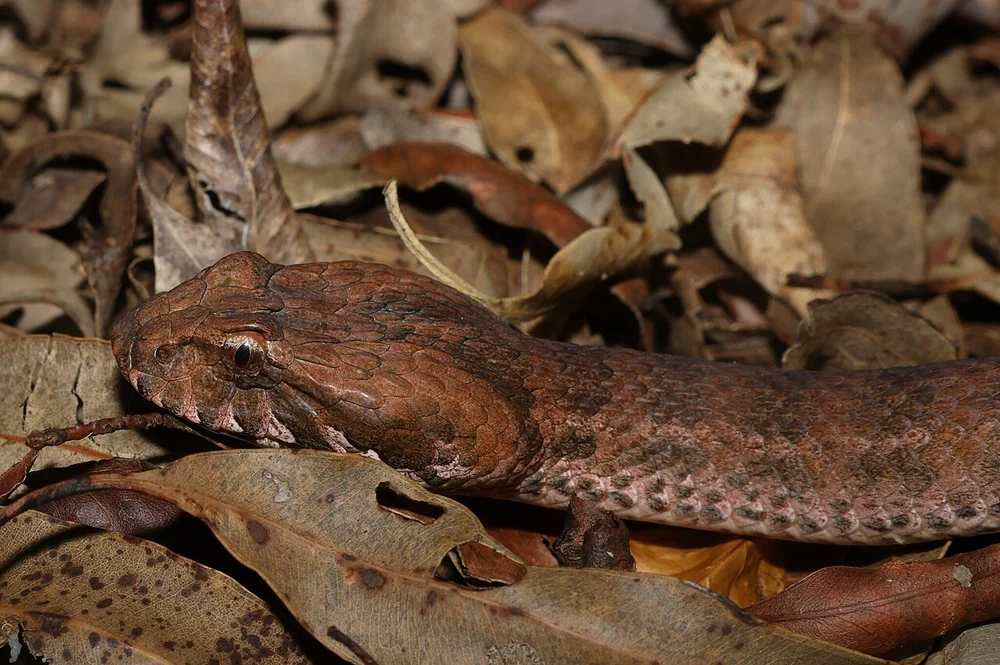
Photo: Greg Tasney · CC BY-SA 4.0 (Licence)
Elapidae
Acanthophis antarcticus
A short, heavy-bodied snake with a broad head and a fine tail. Death adders often remain concealed in leaf litter instead of moving away early. Their camouflage and habit of waiting for prey make the shape of the whole animal particularly useful to notice.
Highly venomous
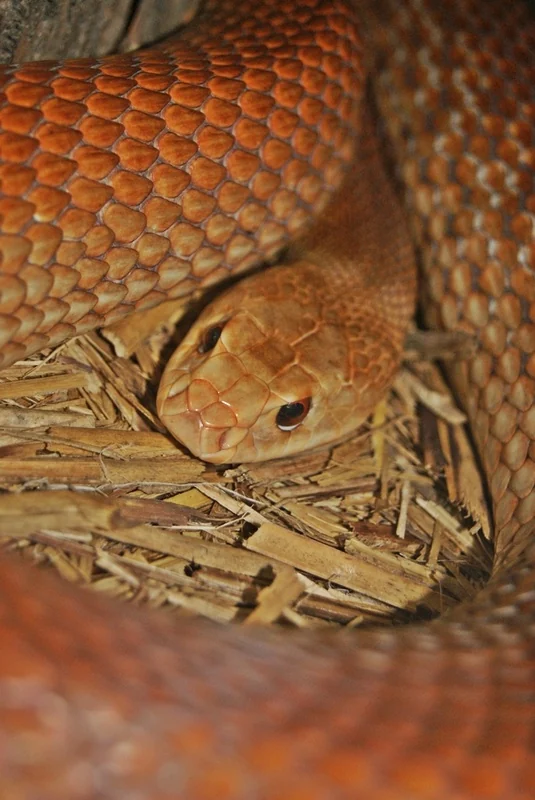
Photo: Danny S. · CC BY-SA 4.0 (Licence)
Elapidae
Oxyuranus scutellatus
A large snake of northern and north-eastern Australia, often with a pale face and a noticeably narrower neck. Its body may be reddish-brown, dark brown or almost black. Colour alone can easily lead to confusion with brown snakes or mulga snakes.
Highly venomous
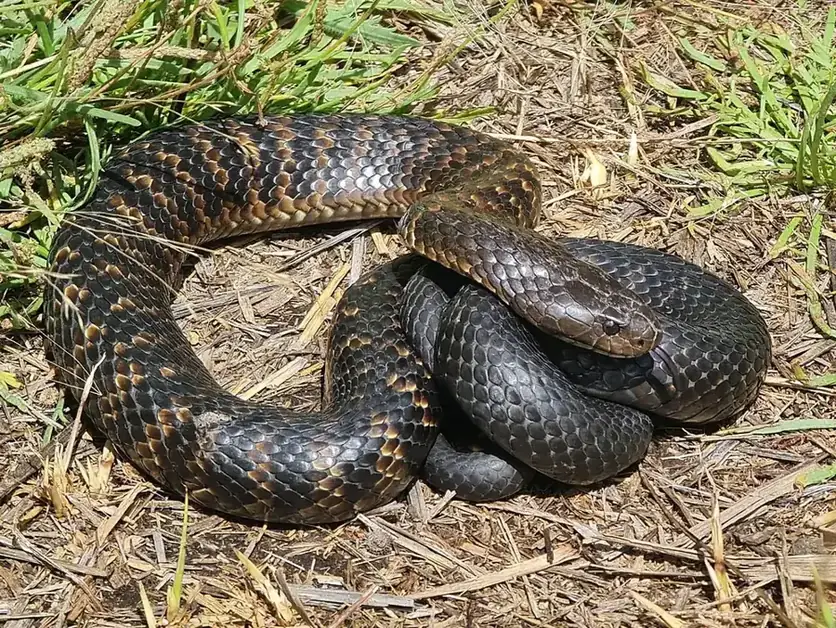
Photo: Max Tibby · CC0 (Licence)
Elapidae
Notechis scutatus
Tiger snakes may be banded, faintly marked or completely plain. They are robust snakes associated with many southern wetlands, but also occur in drier habitats. A black snake in Tasmania, or one without stripes, can still be a tiger snake.
Highly venomous
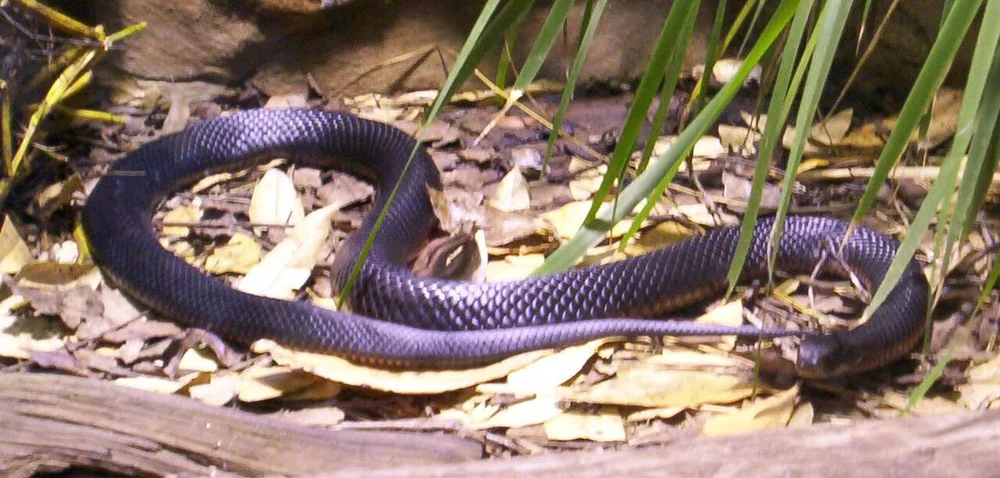
Photo: The original uploader was Figaro at English Wikipedia. · Public domain (Licence)
Elapidae
Pseudechis porphyriacus
A glossy black snake often seen around creeks, wetlands and farm dams in eastern Australia. Red or pink along the lower sides is a useful clue, but it can be hidden by the snake's position and is much paler in some northern animals.
Venomous

Photo: Donald Hobern from Copenhagen, Denmark · CC BY 2.0 (Licence)
Elapidae
Pseudonaja textilis
An Eastern Brown Snake is not always brown. Adults can be tan, orange-brown or nearly black, while young snakes may have striking dark bands. A relatively small head and slender body are more useful clues than the name alone.
Highly venomous

Photo: Max Tibby · CC0 1.0 (Licence)
Elapidae
Hemiaspis signata
Marsh Snake is a small east-coast snake with an olive to grey back, dark belly and paired pale facial lines.
Venomous
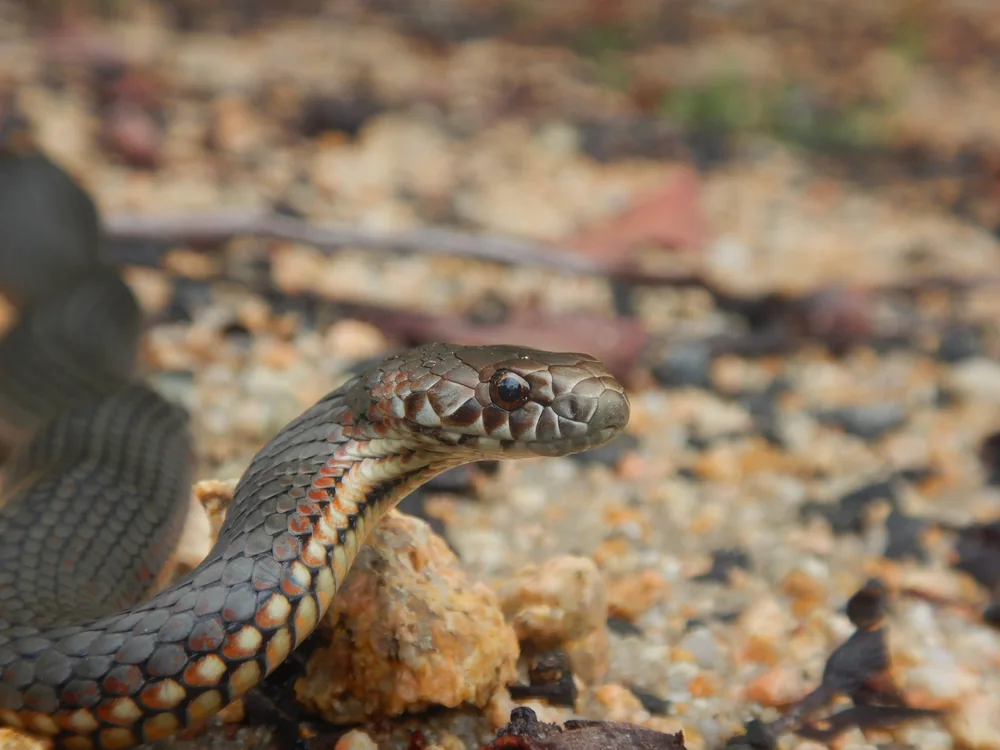
Photo: Bryce Watts-Parker · CC BY 4.0 (Licence)
Elapidae
Austrelaps ramsayi
A venomous snake of moist upland areas in south-eastern Australia. Its back ranges from dark grey to reddish brown, and the lips have contrasting bars.
Dangerously venomous
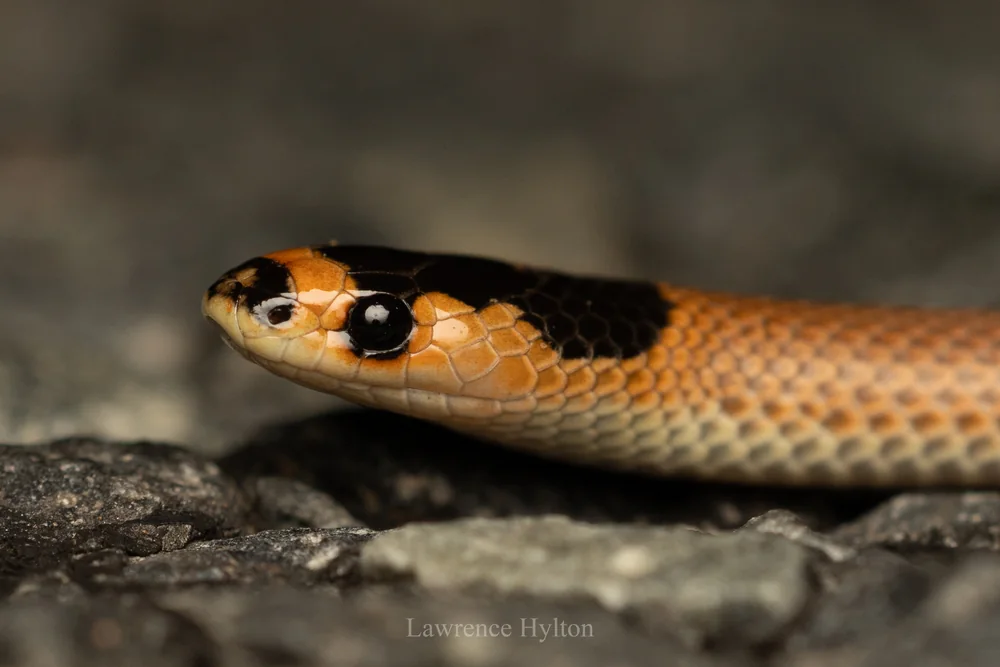
Photo: Lawrence Hylton · CC BY 4.0 (Licence)
Elapidae
Suta spectabilis
A brown to beige hooded snake of South Australia and adjoining western parts of Victoria and New South Wales.
Venomous
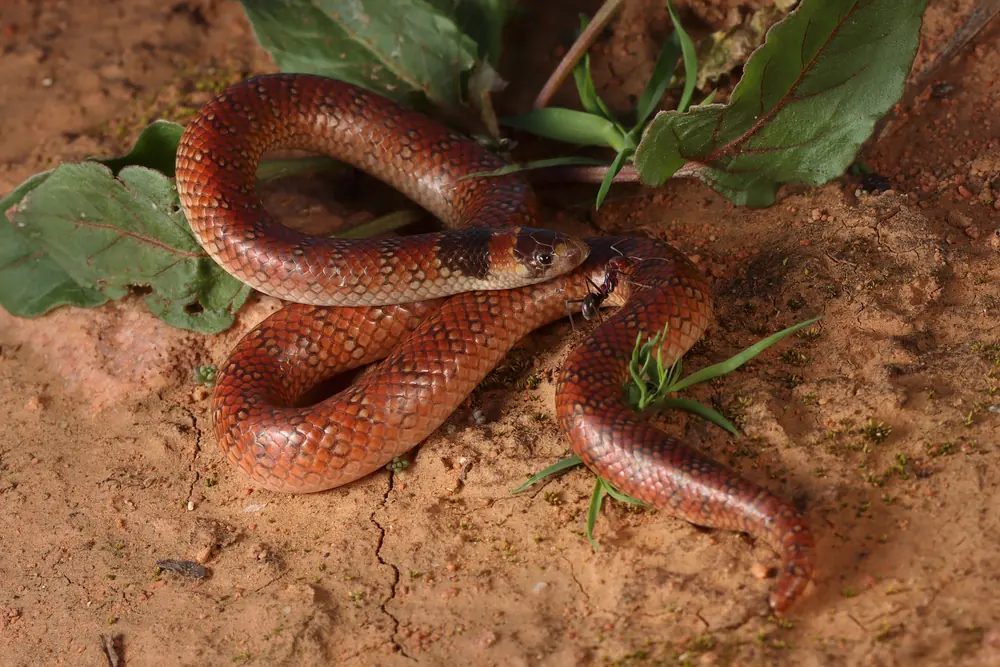
Photo: Connor Margetts · CC BY 4.0 (Licence)
Elapidae
Brachyurophis australis
The Australian Coral Snake is a small shovel-nosed snake with reddish colouring, a dark head and nape and narrow pale bands. It occurs across parts of eastern and southern mainland Australia.
Venomous

Photo: Max Tibby · CC0 1.0 (Licence)
Elapidae
Hemiaspis damelii
A plain grey to olive-grey snake associated with floodplains and temporary wetlands in NSW and Queensland. Young snakes have a dark head marking that reduces with age.
Venomous

Photo: Max Tibby · CC0 1.0 (Licence)
Elapidae
Furina diadema
A slender red-brown snake with a black head and nape, pale belly and a red or orange nape patch enclosed by black. Its checked range spans NSW, Queensland, SA, Victoria and the ACT.
Venomous
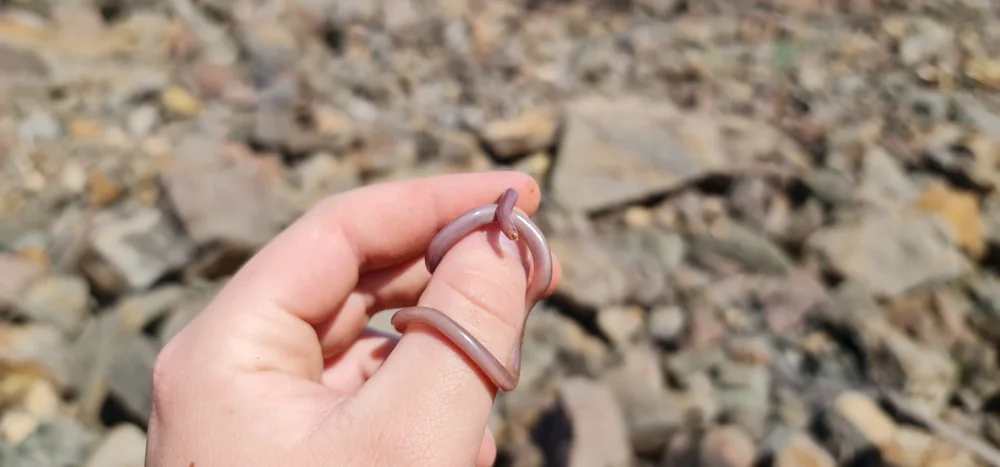
Photo: Max Tibby · CC0 1.0 (Licence)
Typhlopidae
Anilios wiedii
A small blind snake recorded in Queensland and New South Wales, with a prominent rounded snout.
Non-venomous
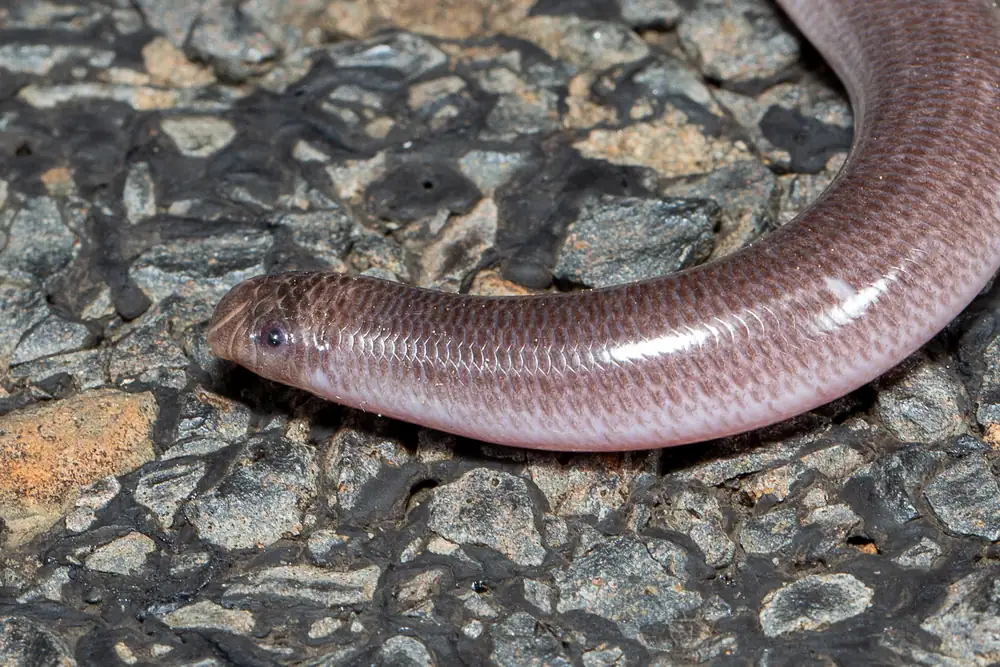
Photo: dhfischer · CC BY 4.0 (Licence)
Typhlopidae
Anilios bicolor
A relatively stout blind snake recorded across southern Australia.
Non-venomous
Typhlopidae
Anilios proximus
A relatively large blind snake of eastern and southern mainland Australia.
Non-venomous

Photo: James K. Douch · CC BY-SA 4.0 (Licence)
Elapidae
Demansia psammophis
Yellow-faced Whip Snake is an eastern Australian species recorded in NSW, QLD, VIC, SA and ACT. It is variable in grey, olive, yellow and brown tones, with a dark facial line and dark-edged scales that can give a reticulated appearance.
Venomous
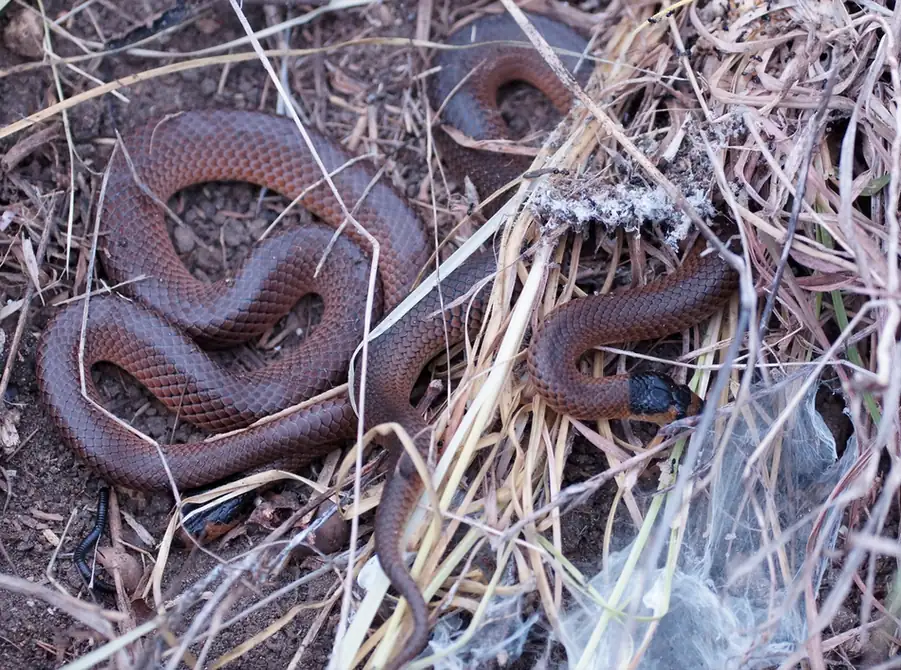
Photo: Rod Lowther · CC BY 4.0 (Licence)
Elapidae
Suta flagellum
A small venomous southern Australian snake also known as the Whip Hooded Snake.
Venomous
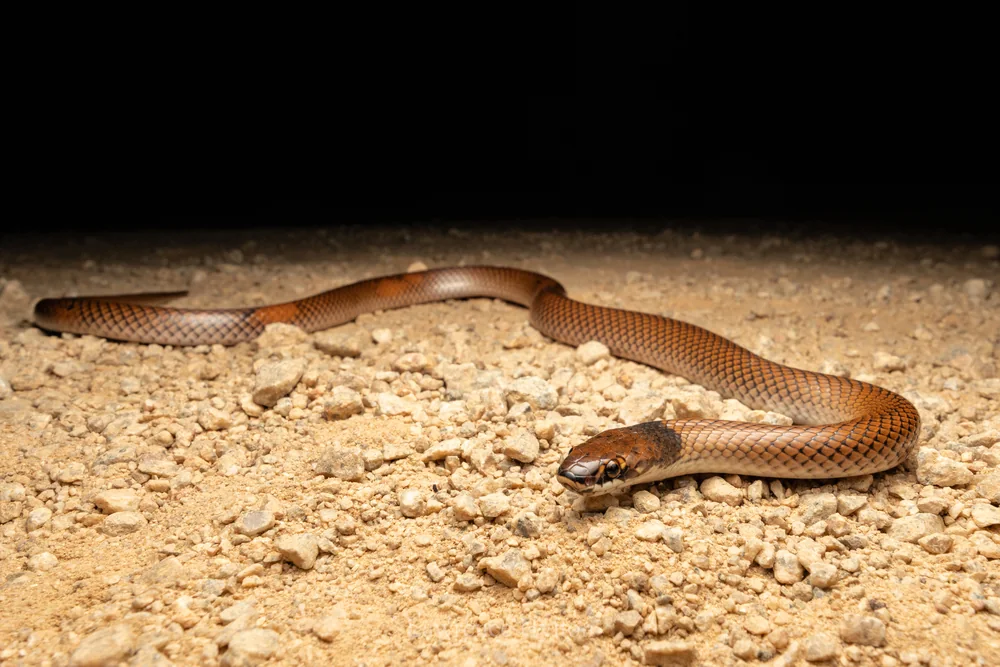
Photo: Lawrence Hylton · CC BY 4.0 (Licence)
Elapidae
Suta suta
A live-bearing Australian snake with brown to reddish-brown colouring, variable dark-edged scales and a darker head and nape.
Venomous
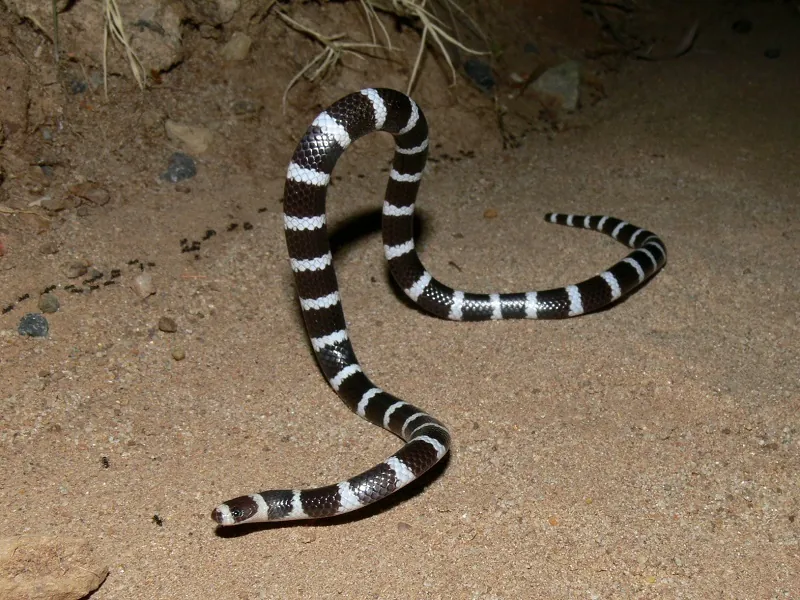
Photo: dhfischer · CC BY 4.0 (Licence)
Elapidae
Vermicella annulata
A snake with bold black-and-white rings around its body, found across much of eastern and central Australia.
Venomous

Photo: dhfischer · CC BY 4.0 (Licence)
Elapidae
Brachyurophis fasciolatus
A small burrowing snake with narrow dark bands across a pale body. Red and black flecks occur between the bands.
Venomous
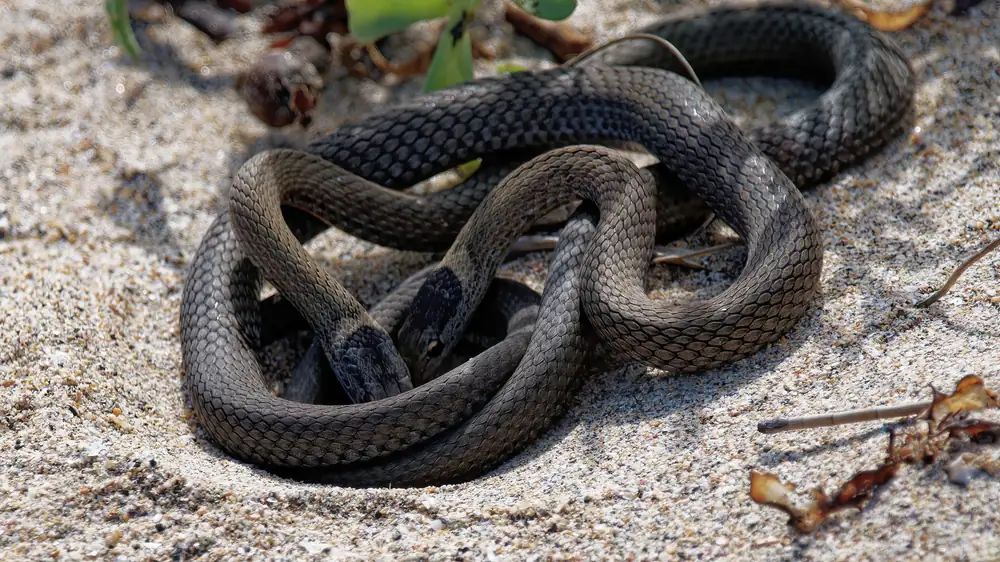
Photo: Roman Soroka · CC BY 4.0 (Licence)
Elapidae
Drysdalia rhodogaster
A small south-eastern snake with a dark head and yellow-orange nape band.
Venomous
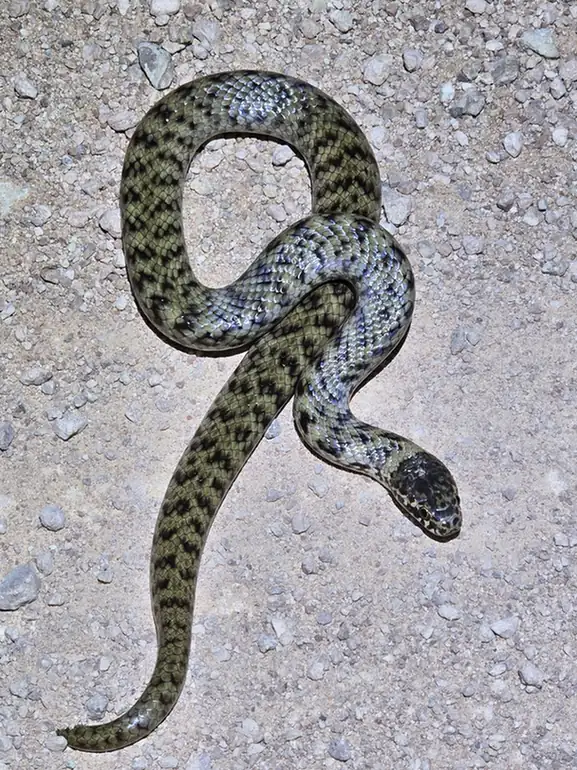
Photo: Max Tibby · CC0 1.0 (Licence)
Elapidae
Denisonia devisi
A heavily built, banded inland snake with a patchy eastern Australian range.
Venomous
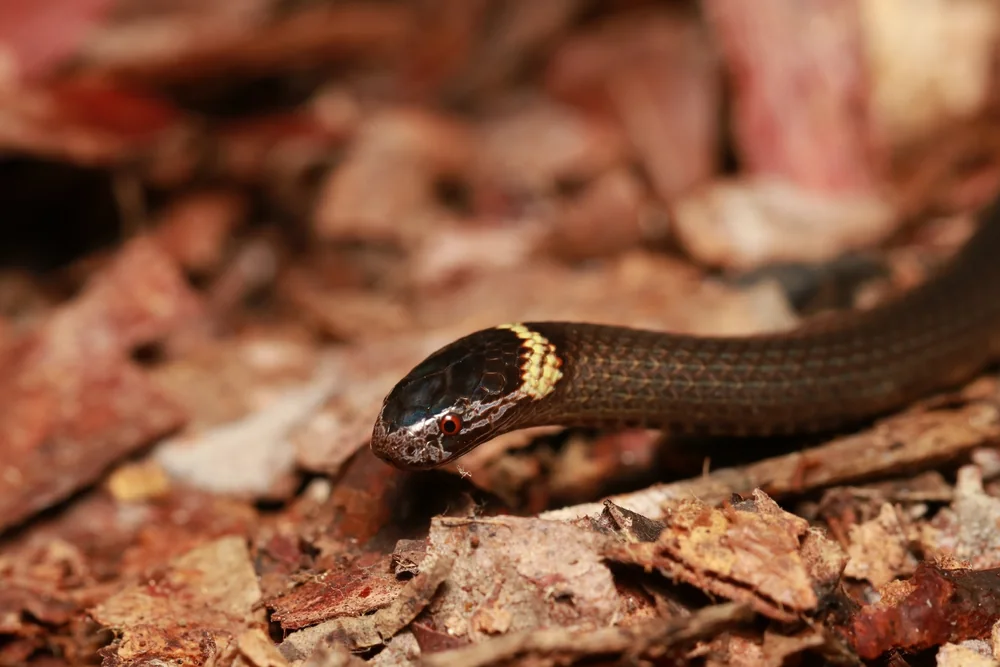
Photo: Max Tibby · CC0 1.0 (Licence)
Elapidae
Cacophis krefftii
A tiny crowned snake of eastern Australia with a narrow yellowish collar.
Weakly venomous

Photo: Max Tibby · CC0 1.0 (Licence)
Elapidae
Demansia rimicola
A brown-grey whipsnake with fine pale and dark lines along its sides. It inhabits cracking-clay country across parts of northern and inland eastern Australia.
Venomous
